By the late 1980s, my parents’ marriage was collapsing publicly.
And in Jamaica back then, divorce was still treated like something serious and shameful in many families.
Especially respectable families.
People separated quietly all the time, of course, but actual legal divorce still carried weight socially.
At least in my world it did.
As a child, I did not fully understand the adult politics surrounding my parents’ breakup yet. I only knew that my mother had gone to America and that she wanted my little brother and me to come live there with her.
What I understand now as an adult is that the divorce was not simply about emotional liberation.
It was also practical.
Immigration practical.
My mother wanted to remarry in America, and legally ending her marriage to my father was part of that process.
At the time, though, I mostly experienced the situation through fragments:
letters,
arguments,
adult tension,
and overheard conversations.
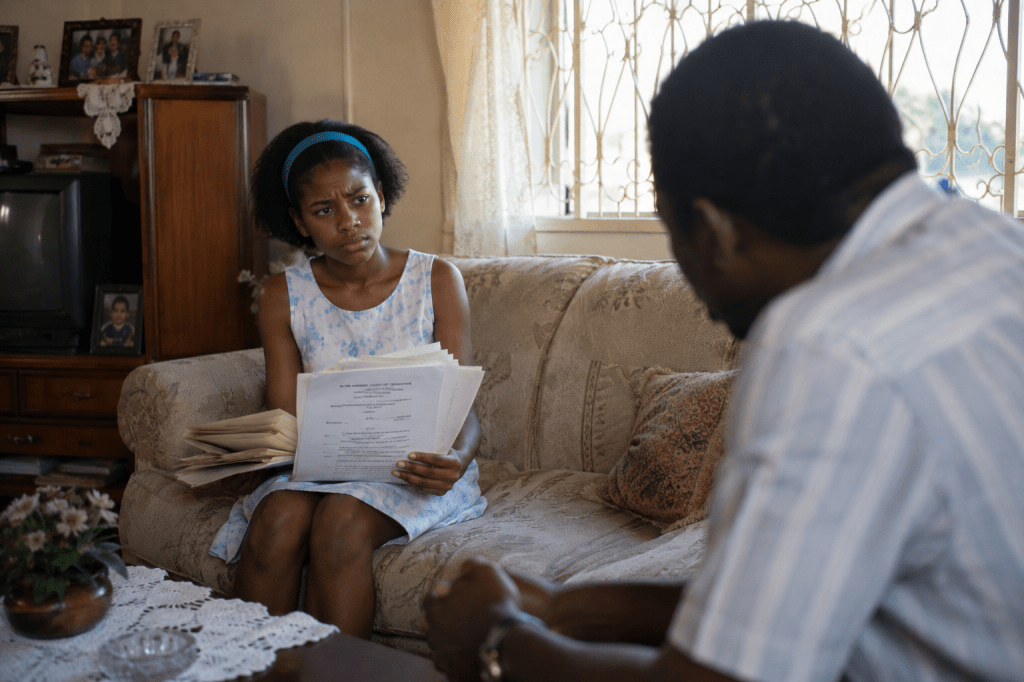
Then one afternoon after school, my father did something that still feels surreal to me when I think about it now.
He showed me the divorce papers.
I was around eleven years old.
To this day, I do not fully understand why he thought I needed to see them.
I remember sitting in the car with him after school while he showed me the documents my mother had filed in America.
The papers listed accusations of abuse.
They described violence in the marriage.
They discussed custody of my little brother and me.
And somehow, for reasons I still cannot explain, I was sitting there reading it.
At eleven years old.
Looking back now as an adult, I cannot imagine handing a child divorce documents and saying, essentially:
here,
look at the legal collapse of your family.
But in that moment, it almost felt strangely normal because so many adult problems had already spilled into my childhood by then.
What stands out to me now is that my father signed the papers.
I think about that sometimes.
I cannot imagine what it must feel like to sign legal documents describing yourself as abusive, even if some part of you believes the accusations are unfair, exaggerated, or humiliating.
But he signed them.
And life kept moving.
At the time, I did not yet understand how immigration, marriage, legal status, and survival strategies all intertwined for adults trying to leave Jamaica and build new lives overseas.
I only understood the emotional version of events:
my parents were ending,
America was coming,
and somehow my future was being decided through papers I was too young to fully comprehend.
That was the strange thing about my childhood.
Adult realities arrived early.
Violence.
Migration.
Custody.
Divorce.
Remarriage.
Immigration paperwork.
I encountered all of it long before I emotionally had the tools to process any of it.
But maybe that is also why I became such an observant child.
When adults expose children to adult instability too early, children start trying to decode the world long before they are actually ready to understand it.




Leave a Reply