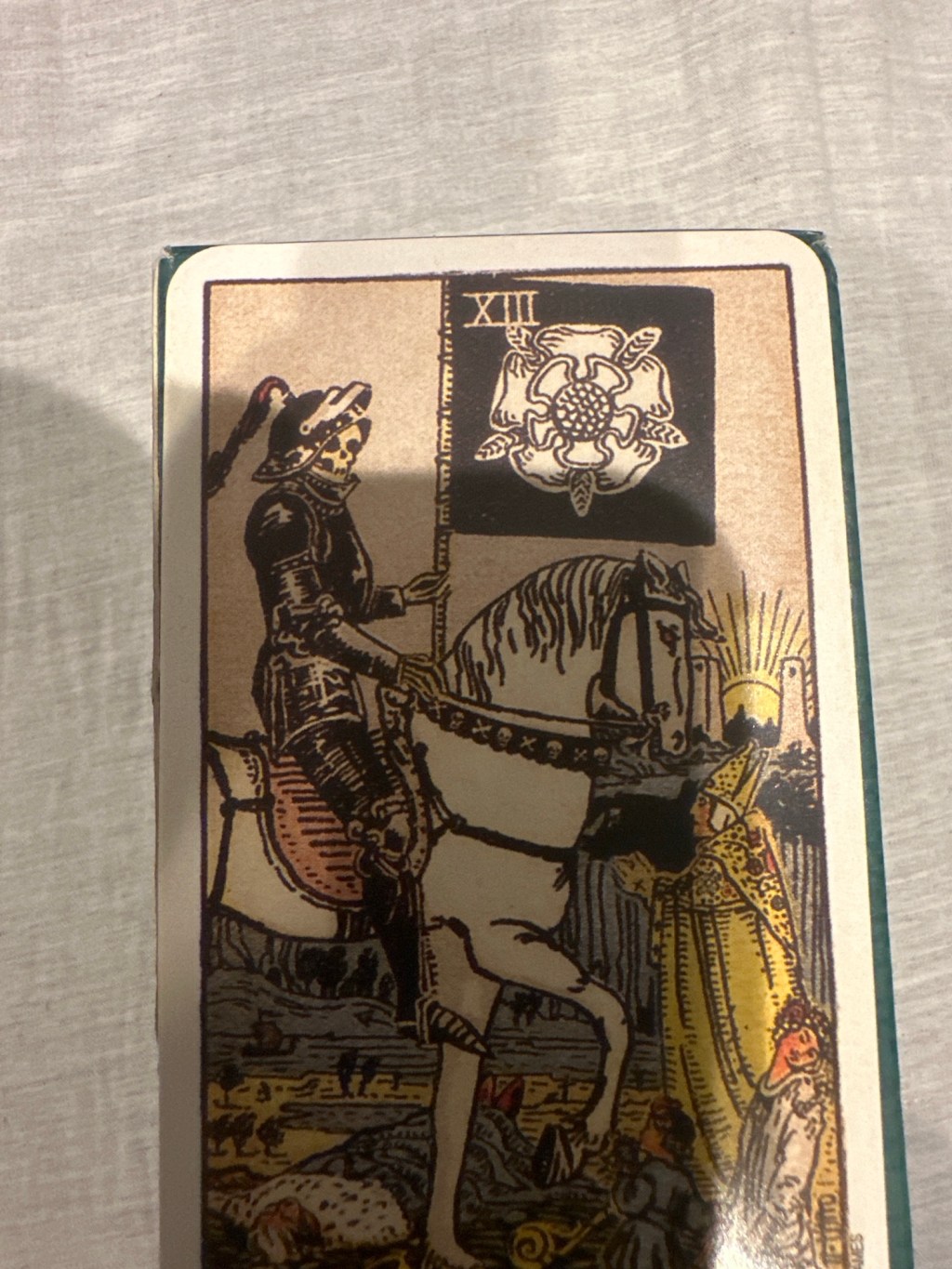
What COVID Exposed
My younger brother survived a near-fatal case of COVID-19, but the family secrets and dysfunction exposed during his recovery permanently changed our relationship.
I had spent weeks worrying that he might die.
His organs had been failing. His heart was in trouble. He had required intensive medical care, and for a while, I genuinely feared I would lose my only full sibling.
But he survived.
And while I was grateful that COVID hadn’t killed him, I wasn’t prepared for what I would learn afterward.
Because sometimes a family crisis doesn’t bring people closer together.
Sometimes it simply reveals who they really are.
Surviving COVID Didn’t Fix Our Family Dysfunction
By the time my brother came home from the hospital, his personal life had already gone through several rounds of musical chairs.
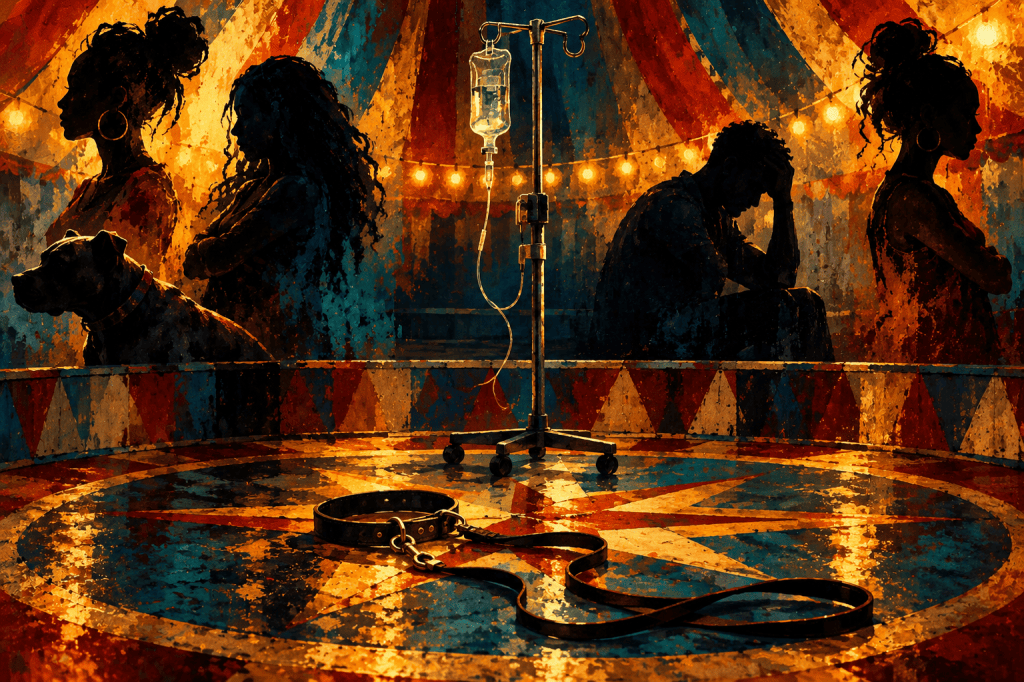
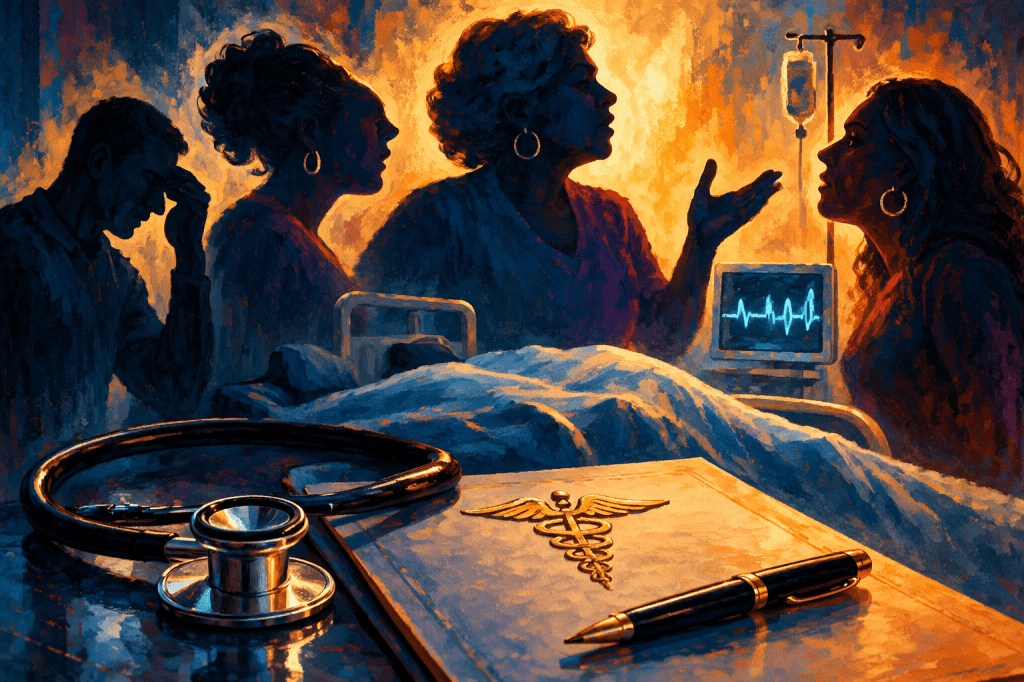
There had been a medical power of attorney dispute, a dog attack, arguments between the mothers of his children, and a housing situation complicated by the fact that one woman’s parents owned his apartment complex.
He had left the hospital against medical advice.
The mother of his oldest child had picked him up.
And then, after all that excitement, he reconciled with his estranged wife.
I suppose a near-death experience can make a person reconsider his priorities.
Apparently, in my brother’s case, it also came with a revised seating chart.
But the reconciliation led to something I hadn’t anticipated.
His wife began telling me things about their marriage.
And those conversations changed everything.
The Domestic Violence I Thought Was Behind Him
Growing up, my brother and I had witnessed violence in our household.
Violence was not some abstract concept we learned about from television. It was part of our childhood.
My brother had also been violent when he was younger.
But I believed that behavior had ended when he was around sixteen.
I thought he had grown beyond it.
I wanted to believe that.
Then his wife told me he had physically abused her.
She described incidents that, according to her, had happened during their marriage, including violence in front of their child.
I wasn’t present for those incidents, and I can only speak to what she told me.
But hearing those allegations forced me to reconsider the man I thought my brother had become.
For years, I had believed the violence belonged to his adolescence.
Now I was being told it had continued into adulthood.
And I couldn’t simply dismiss that information because he was my brother.
I knew what it was like to grow up around violence.
I knew what it did to children.
The possibility that another generation was being exposed to the same behavior disturbed me far more than any of the ridiculous relationship drama that had preceded it.
I had spent so much time worrying about whether my brother would survive COVID that I hadn’t expected to find myself questioning the kind of life he was living.
The Brother I Thought I Knew
One of the more unsettling parts of the experience was realizing how much I might not have known about my brother.
We had the same mother.
We had grown up in the same household.
We had witnessed many of the same things.
But sharing a childhood doesn’t mean two people develop the same values.
And surviving a difficult upbringing doesn’t automatically prevent someone from repeating the behavior they witnessed.
Sometimes people reject what they grew up around.
Sometimes they reproduce it.
I had spent years believing my brother had chosen a different path.
His wife’s account challenged that belief.
There was another complication.
At one point, I spoke with his wife while she was lying beside him.
They had reconciled.
And there I was, listening to a woman describe a marriage that allegedly included physical abuse while the man she was describing was right there beside her.
I couldn’t make sense of it.
But then again, I wasn’t living inside their marriage.
I could listen.
I could form my own conclusions.
And I could decide what kind of relationship I was willing to maintain with my brother.
What I couldn’t do was fix their marriage for them.
I’d already spent enough of my life being assigned other people’s problems.
The First-Class Family Vacation to Jamaica
Then came the family trip.
My brother, his wife, their daughter, and my mother traveled to Jamaica together.
First class.
They rented a villa in Montego Bay.
Quite the production.
From the outside, it looked like a prosperous family enjoying an upscale Caribbean vacation.
The corporate accounting professional.
The businessman.
The attorney.
A multigenerational family getaway.
Four-star family dysfunction traveling on a five-star budget.
What made the trip particularly interesting to me was that my brother had previously given me the impression that he and our mother barely spoke.
Yet here they were, vacationing together.
Apparently, their relationship was considerably more functional when first-class tickets and a villa were involved.
I couldn’t help wondering how many different versions of the family story were circulating.
The version my brother told me.
The version my mother presented.
The version his wife was living.
And the version everyone displayed when it was time to take a family vacation.
To an outsider, they might have looked like the picture of success.
But I’d learned that appearances could be spectacularly misleading.
Sometimes a family vacation is simply a family vacation.
And sometimes it means the dysfunction got upgraded seats.
Professional Titles and Personal Character
My mother had always placed enormous importance on professional status.
She liked presenting herself through her corporate accounting career, even though she had never been a CPA.
My brother identified himself as a businessman on his Jamaican passport.
And finally, we have the wife.
The attorney.
Although, as I later discovered, her professional journey had taken a few interesting detours.
And somewhere along the way, she’d also been a midnight ballerina.
Yes, a midnight ballerina.
An exotic dancer.
Whether that was a previous career, a side hustle, or something she occasionally did between legal briefs, I couldn’t tell you.
And I’m certainly not knocking the profession. A woman has to make a living, and frankly, I’ve seen people do far more questionable things for free.
But there they were.
The corporate accounting professional.
The businessman.
The attorney with a few unexpected chapters in her résumé.
Flying first class to Jamaica.
Renting a villa in Montego Bay.
Looking like the very picture of upward mobility.
If only professional titles came with character references.
Why I Finally Cut Off My Brother
The trip itself wasn’t why I ended my relationship with my brother.
People are free to travel with whomever they choose.
They can reconcile with their spouses.
They can maintain relationships with relatives they previously claimed not to be close to.
That’s their business.
What troubled me was the accumulation of contradictions.
The things I’d been told.
The things I’d learned.
The account of violence within his marriage.
And the realization that I no longer trusted my understanding of who he was.
I wasn’t interested in confronting him with every inconsistency or conducting a family investigation.
I had already spent enough years trying to make sense of people who seemed perfectly comfortable living with contradictions.
I didn’t need another round.
And I didn’t need to pretend that sharing DNA obligated me to maintain a relationship that no longer felt right.
So I walked away.
Not because I wanted my brother dead.
Not because I was angry that he survived.
And certainly not because I was jealous of a family vacation.
I walked away because surviving a medical crisis doesn’t automatically make someone a person I want in my life.
Those are two separate questions.
I can be grateful that my brother lived and still decide that I don’t want a relationship with him.
Both things can be true.
What COVID Really Exposed
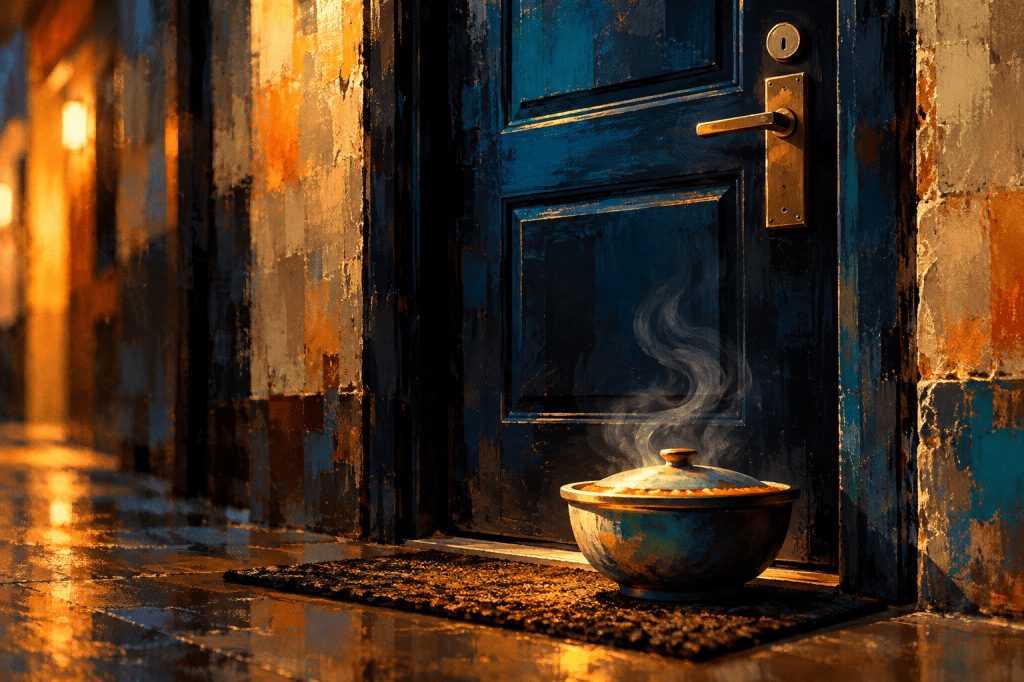
When I think back to the beginning of this story, I remember the soup.
I remember preparing something warm for my sick younger brother and leaving it outside his apartment door.
I remember being afraid to go inside because I didn’t want to catch COVID.
And I remember how frightened I became when his condition deteriorated.
At that point, all I wanted was for him to live.
I had no idea what the following weeks would reveal.
The family power struggles.
The relationship conflicts.
The violence his wife described.
The contradictions between what people said privately and how they presented themselves publicly.
COVID didn’t create those problems.
It exposed them.
And in the end, I had to accept that the brother I loved and the man I was beginning to understand might not be the same person.
I still remember the fear of almost losing him.
That fear was real.
So was my relief when he survived.
But so was my decision to walk away.
COVID didn’t kill my brother.
But it killed the brother I thought I knew.
This is Part Four, the conclusion of Family Secrets, COVID Exposed, a personal memoir series by Sable Monroe.
Read the earlier installments: The Soup Outside the Door, Who Gets to Decide If You Live?, and The Dog, the Women, and the Circus.


Leave a Reply